
Choosing the right pallet racking is one of the most important decisions you’ll make for your warehouse. The correct system maximises storage capacity, improves picking efficiency, and keeps your operation running safely. The wrong choice wastes space, slows operations, and can create safety hazards.
This guide walks you through the key factors to consider, explains the main racking types available in the UK, and helps you understand what questions to ask suppliers. Whether you’re setting up a new warehouse or upgrading existing storage, these principles apply.
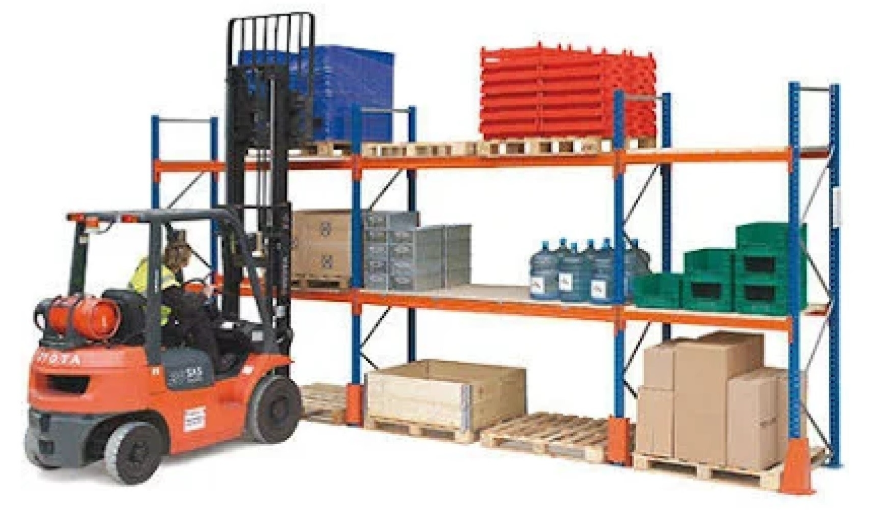
5 Key Factors When Choosing Pallet Racking
Consider these essential factors before specifying your racking system.
1. Pallet Dimensions & Weight
The starting point for any racking specification. Measure your pallets accurately – standard UK pallets are 1200mm x 1000mm, but Euro pallets (1200mm x 800mm) and custom sizes are common. Maximum pallet weight determines beam and upright specifications.
Key Tips:
- Measure the heaviest and largest pallets you’ll store
- Account for product overhang beyond the pallet edge
- Consider future product changes
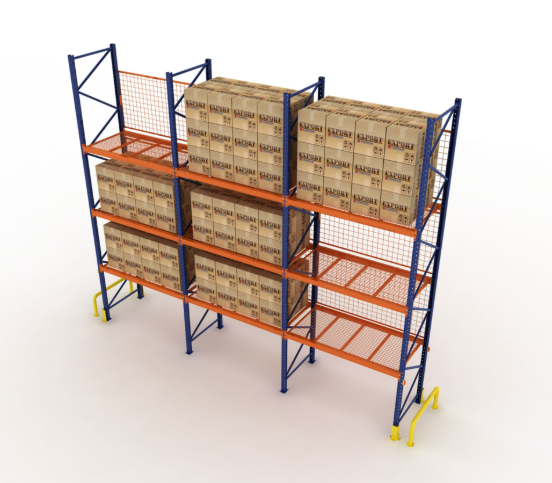
2. Warehouse Space & Layout
Your building dimensions, column positions, floor condition, and ceiling height all affect racking design. We conduct thorough site surveys to maximise every square metre of usable space.
Key Tips:
- Provide accurate building dimensions and plans
- Note any columns, doors, or obstructions
- Consider fire exit routes and sprinkler positions
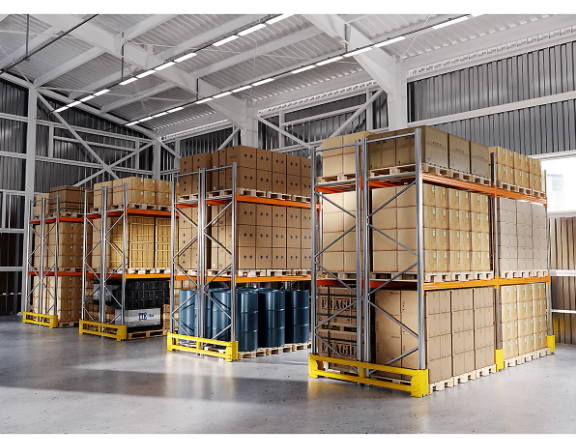
3. Stock Rotation Requirements
How you manage stock (FIFO vs LIFO) determines the best racking type. High-turnover operations need full selectivity; bulk storage of identical products suits high-density systems.
Key Tips:
- FIFO (first in, first out) – choose selective or pallet live racking
- LIFO (last in, first out) – drive-in or push-back may suit
- Mixed requirements – combine different systems
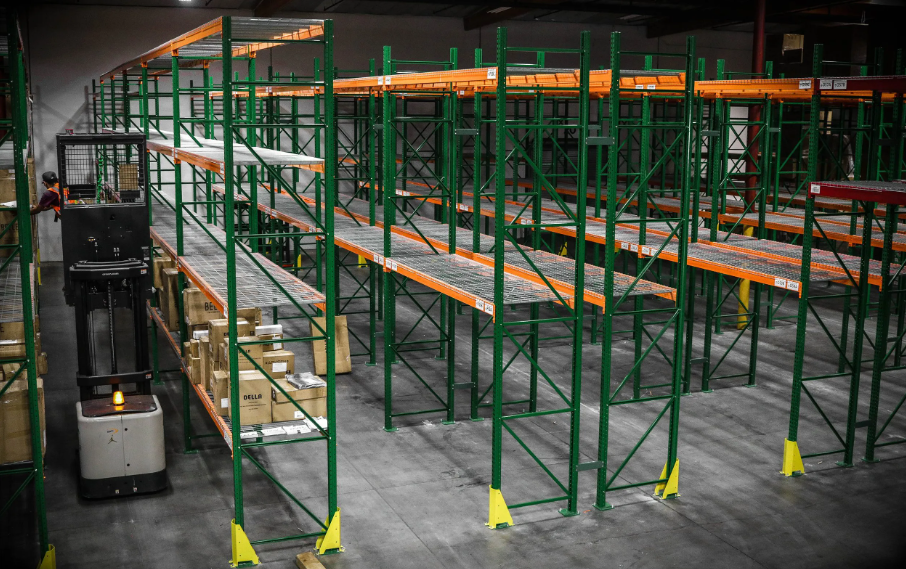
4. Handling Equipment
Your forklift type, lift height, and turning radius determine aisle widths and maximum racking height. VNA trucks enable narrow aisles; counterbalance trucks need wider spacing.
Key Tips:
- Know your forklift lift height and mast specifications
- Consider upgrading equipment for better space utilisation
- Allow for safe operation clearances
5. Future Growth
Design for tomorrow, not just today. Modular racking systems can be extended, reconfigured, or relocated as your business grows.
Key Tips:
- Plan for 20-30% growth capacity
- Choose systems that can be easily extended
- Consider reconfigurable beam levels
weblink: www.nicetrolley.com/how-to-choose-the-right-pallet-racking-shelf-for-your-warehouse/
welcome your enquiry ,
whatsapp : 0086 135 0624 5149
Email : storefixture@aliyun.com / info@nicetrolley.com