Supermarket Shopping Trolley Manufacturer
Introduction
For supermarkets, hypermarkets, warehouse retailers, and equipment distributors, sourcing a high-quality Supermarket Shopping Trolley is not just a purchasing decision — it is a long-term operational investment.
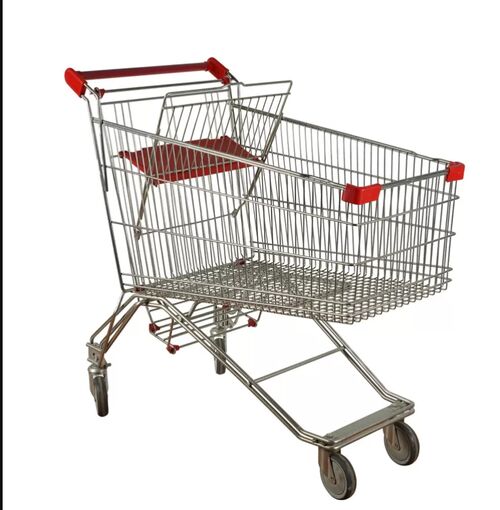
While many buyers compare price first, experienced procurement managers understand that supplier capability, production standards, corrosion resistance, load strength, and after-sales support ultimately determine the real value of a grocery shopping cart supplier.
Choosing the wrong manufacturer can result in unstable quality, delivery delays, inconsistent welding, rust issues, and frequent wheel failures. In contrast, partnering with a reliable supermarket shopping trolley manufacturer ensures durability, consistent quality control, and long-term cost efficiency.
This guide explains how to evaluate and select the right supplier for your retail business.
1. Evaluate Manufacturing Capacity and Production Automation
A professional supermarket shopping trolley manufacturer should have:
- Automated wire bending machines
- Robotic welding systems
- Surface treatment production lines
- Powder coating facilities
- Dedicated quality inspection teams
High automation ensures:
- Consistent welding strength
- Smooth frame structure
- Reduced production defects
- Stable bulk order quality
If a supplier relies heavily on manual welding, product consistency may vary from batch to batch.
2. Check Material Quality and Structural Engineering
The structural integrity of a supermarket shopping trolley depends largely on material specifications.
Key structural indicators include:
- Steel wire diameter (4.0mm–6.5mm depending on load requirement)
- Reinforced base frame
- Stable crossbar support
- Proper load-bearing design
Heavy-duty supermarket shopping trolleys should support 150kg–250kg load capacity for wholesale or warehouse environments.
Procurement teams should request technical drawings or load test reports when possible.
3. Surface Treatment and Corrosion Resistance Standards
Rust is one of the most common long-term issues affecting grocery shopping carts.
Reliable manufacturers typically offer:
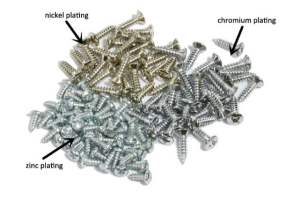
- Zinc plating (8–15 microns thickness)
- Clear powder coating finish
- Double-layer corrosion protection
- Salt spray test reports (48–96 hours or more)
For coastal markets or high-humidity regions, corrosion resistance is especially important.
Low-grade coating may appear acceptable initially but develop rust within 1–2 years.
4. Wheel Quality and Engineering Capability
Wheel replacement is the most frequent maintenance issue in supermarket shopping trolleys.
When evaluating a supplier, check:
- Wheel diameter (100mm–125mm recommended)
- PU or TPR material quality
- Double bearing system
- Anti-wrapping design
- Reinforced axle structure
High-quality wheel systems significantly reduce maintenance costs and improve customer experience.
5. Customization and OEM Capability
Modern retail chains often require customized supermarket shopping trolley solutions.
A strong manufacturer should provide:
- Logo printing on handles
- Custom color matching
- Coin lock systems
- Advertising panel integration
- Anti-theft wheel systems
- Custom basket capacity (60L–240L)
OEM capability is essential for distributors and private label clients.
6. Quality Control and Inspection Process
Reliable suppliers implement strict quality control systems.
Inspection procedures may include:
- Frame welding inspection
- Load-bearing testing
- Coating adhesion testing
- Wheel rotation testing
- Packaging inspection
Ask suppliers about their QC workflow and inspection standards.
Consistency across bulk orders is critical for large supermarket chains.
7. Export Experience and Compliance
If sourcing for international markets, ensure the supermarket shopping trolley manufacturer has export experience.
Important considerations include:
- Packaging standards for container shipment
- Compliance with international retail safety regulations
- Experience shipping to Europe, North America, Middle East, or Southeast Asia
- Ability to handle large-scale retail projects
Export-experienced suppliers reduce shipping and documentation risks.
8. Lead Time and Production Flexibility
Large supermarket projects often require:
- Strict delivery timelines
- Phased production schedules
- Container optimization
- Flexible customization
Suppliers with strong production planning systems can meet urgent or bulk orders efficiently.
9. Long-Term Partnership Potential
Instead of treating supermarket shopping trolley sourcing as a one-time purchase, retail operators should evaluate long-term cooperation potential.
Questions to consider:
- Can the supplier scale production if your chain expands?
- Do they provide spare parts support?
- Can they develop new models for future store formats?
- Do they support after-sales consultation?
Strong manufacturer partnerships reduce long-term sourcing risk.
10. Cost Evaluation Beyond Unit Price
The lowest price does not equal the lowest total cost.
Low-quality supermarket shopping carts may lead to:
- Frequent wheel replacement
- Rust-related damage
- Frame bending
- Increased customer complaints
- Shorter replacement cycles
High-quality carts often last 5–8 years under proper maintenance, significantly reducing total cost of ownership.
Conclusion
Selecting a reliable Supermarket Shopping Trolley manufacturer requires careful evaluation of structural engineering, anti-rust protection, wheel technology, customization capability, and quality control systems.
For supermarket chains, wholesalers, and distributors, choosing the right supplier ensures consistent product quality, improved customer experience, and long-term operational efficiency.
A high-quality grocery shopping cart is not simply a retail tool — it is a strategic investment that supports brand image, store functionality, and sustainable business growth.